

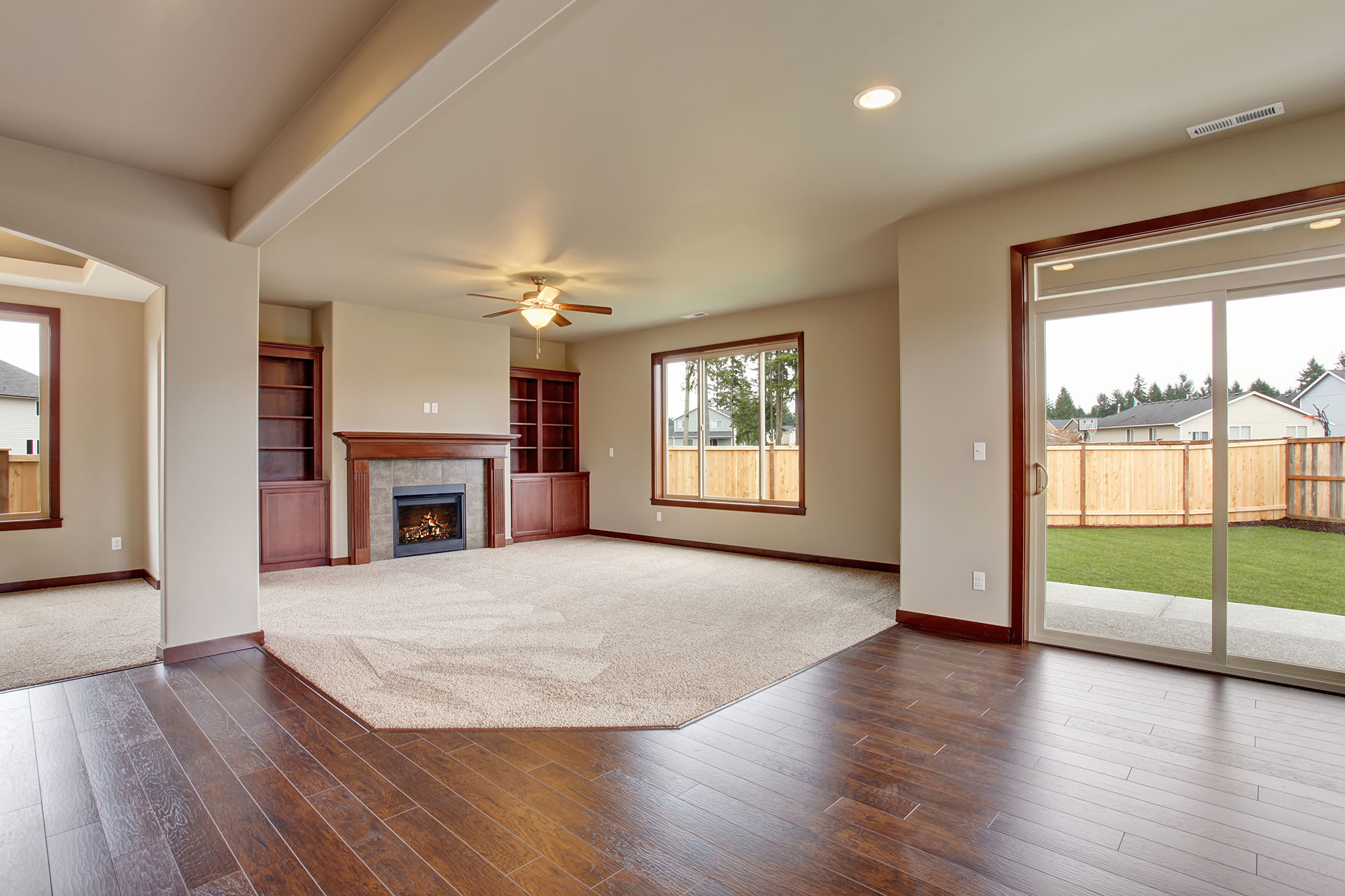
Hardwood floors are a timeless, elegant choice for any home. They add warmth, natural beauty, and clean lines to living rooms, bedrooms, and dining spaces. However, a vast expanse of unadorned wood can sometimes leave a room feeling stark, cold, or acoustically echoing.
Layering area rugs over your hardwood floors is one of the most effective ways to introduce texture, depth, and comfort into your interior design. When done correctly, this styling technique protects your flooring investment while creating a custom, high-end look.
Why You Should Layer Rugs on Hardwood
Placing area rugs over hardwood flooring isn't just about aesthetic appeal—it offers distinct practical benefits for your everyday living space:
Floor Protection: High-traffic zones like hallways and entryways can suffer scratches from shoes, pet claws, and furniture legs. Rugs act as a stylish barrier.
Thermal and Acoustic Comfort: Hardwood naturally reflects sound and can feel chilly underfoot. Rugs absorb echo and trap warmth, making your space cozy and inviting.
Visual Zone Definition: In open-concept floor plans, area rugs anchor furniture groupings, visually separating your dining area from your main conversation space.
1. Anchor with a Large, Neutral Base
Start with a generous base rug that covers a significant portion of the seating or sleeping area. A large $8 \times 10$ or $9 \times 12$ natural fiber rug—such as jute, sisal, or a flat-weave wool—works exceptionally well. This foundational layer provides subtle texture and protects a broad area of your hardwood.
2. Add Contrast with a Patterned Top Rug
Your top rug should be smaller than the base (often a $5 \times 7$ or $6 \times 9$) and positioned centrally or intentionally off-center. Use this layer to introduce personality:
Vintage or Oriental Prints: Excellent for adding classic sophistication to modern wood tones.
Bold Geometric Patterns: Creates a contemporary focal point in modern rooms.
High-Pile Shag or Faux Hide: Adds luxurious tactile softness over a firm base rug.
3. Pay Attention to Proportions
Leave at least 12 to 18 inches of exposed hardwood between the edge of your base rug and the room's walls. This frame of natural wood ensures the space still feels spacious and grounded.
Don't Forget the Non-Slip Rug Pad
The golden rule of placing any rug over hardwood is using a quality, non-slip rug pad beneath the bottom layer. Hardwood surfaces are smooth, and unanchored rugs can shift easily underfoot, creating a safety hazard.
Look for rug pads made from natural rubber or felt. Avoid cheap PVC or adhesive pads, as their chemical compounds can react with floor finishes over time, leaving sticky residues or permanent discoloration on your beautiful hardwood.
Ready to elevate your home's interior with custom flooring and rug combinations?


